THz

Design and Characterization of a 15 GHz 4-Channel Local Oscillator distribution module for THz Sensing Units

The multidimensional characterization of the radio channel and models derived from it are a core component in the development of radio systems for newly accessible frequency ranges. An important focus of current research is the (sub-)THz frequency range, which promises high data rates and low latency for future mobile communications standards (6G)1. Due to significant changes compared to the familiar sub-6 GHz or mm-wave bands, metrology, i.e., the verification and characterization of measurement equipment, is also an important research topic that must deliver concepts for the calibration and certification of measurement technology in parallel with the actual applications. As part of the DFG-funded research group “METERACOM – Metrology for THz Communication,” the EMS group is developing metrological concepts for the multidimensional characterization of the radio channel.
Design and Implementation of a Configurable 15 GHz Local Oscillator Generator module for THz Sensing Units

The multidimensional characterization of the radio channel and models derived from it are a core component in the development of radio systems for newly accessible frequency ranges. An important focus of current research is the (sub-)THz frequency range, which promises high data rates and low latency for future mobile communications standards (6G)1. Due to significant changes compared to the familiar sub-6 GHz or mm-wave bands, metrology, i.e., the verification and characterization of measurement equipment, is also an important research topic that must deliver concepts for the calibration and certification of measurement technology in parallel with the actual applications. As part of the DFG-funded research group “METERACOM – Metrology for THz Communication,” the EMS group is developing metrological concepts for the multidimensional characterization of the radio channel.

Metrology of Multicarrier-based Delay-Doppler Channel Sounding for sub-THz Frequencies

Metrology of Multicarrier-based Delay-Doppler Channel Sounding for sub-THz Frequencies

Jonas Gedschold; Diego Dupleich; Sebastian Semper; Michael Döbereiner; Alexander Ebert; Giovanni Del Galdo

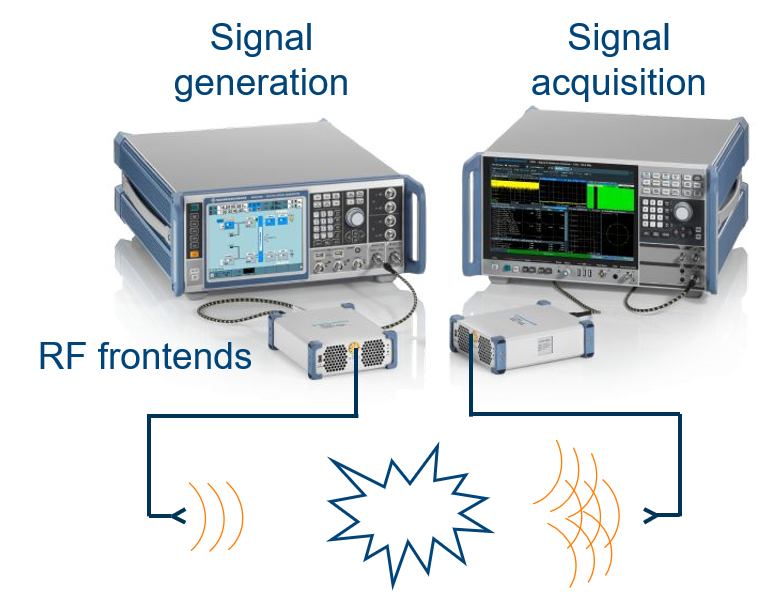
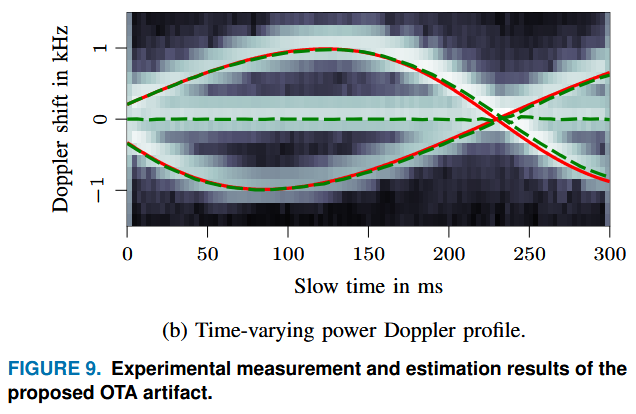
Developing channel models typically requires aggregating channel measurements and the corresponding extracted propagation parameters from different research institutions to form a sufficiently large data basis. However, uncertainties arising from limitations of the sounding hardware and algorithms may greatly impact the comparability between sounding results. Especially, (sub-)THz channel sounders do not allow simultaneous spatially and timely resolved measurements as known from sub-6 GHz and mm-wave applications (right now), limiting the possibilities of a hardware-independent channel characterization. At the same time, a high Doppler bandwidth may occur due to the high carrier frequencies, limiting the time spans for coherent or incoherent data processing. Hence, assessing the sounder’s performance and limits is important before interpreting the measurement results.